Body fat percentage pictures
What does 15% body fat actually look like? Below, the same man and the same woman are shown at different body fat levels. Their lean mass is identical in every picture, so the only thing that changes is fat, which photos of different people can't show.
Men
Same person throughout: 178 cm, 65 kg of lean mass, age 30.
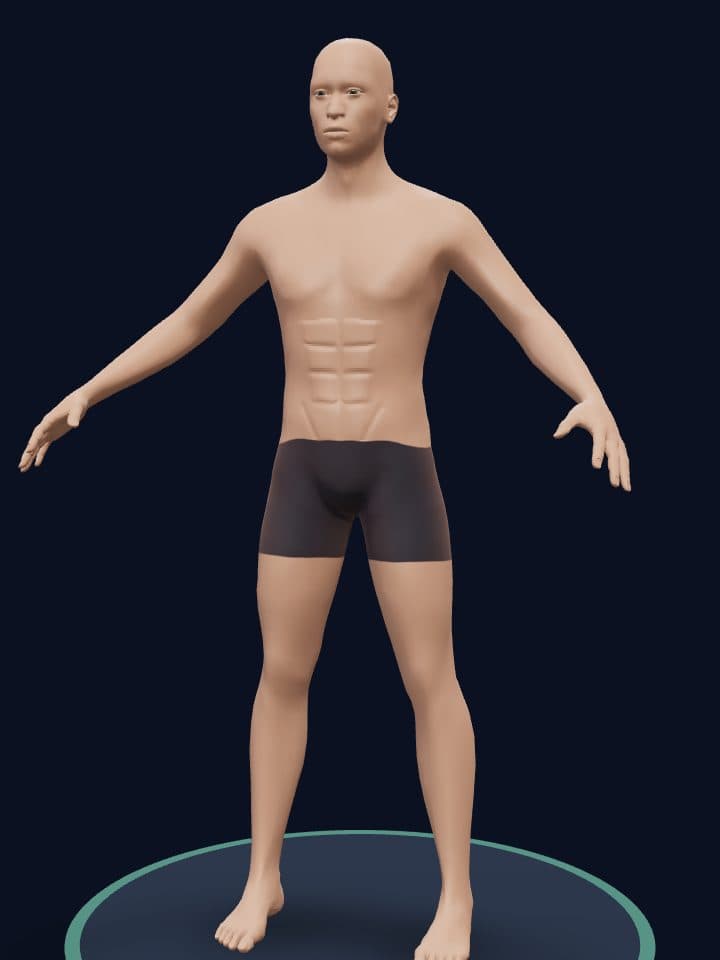
8% body fat71 kgAthleteSix-pack, lower abs and V lines 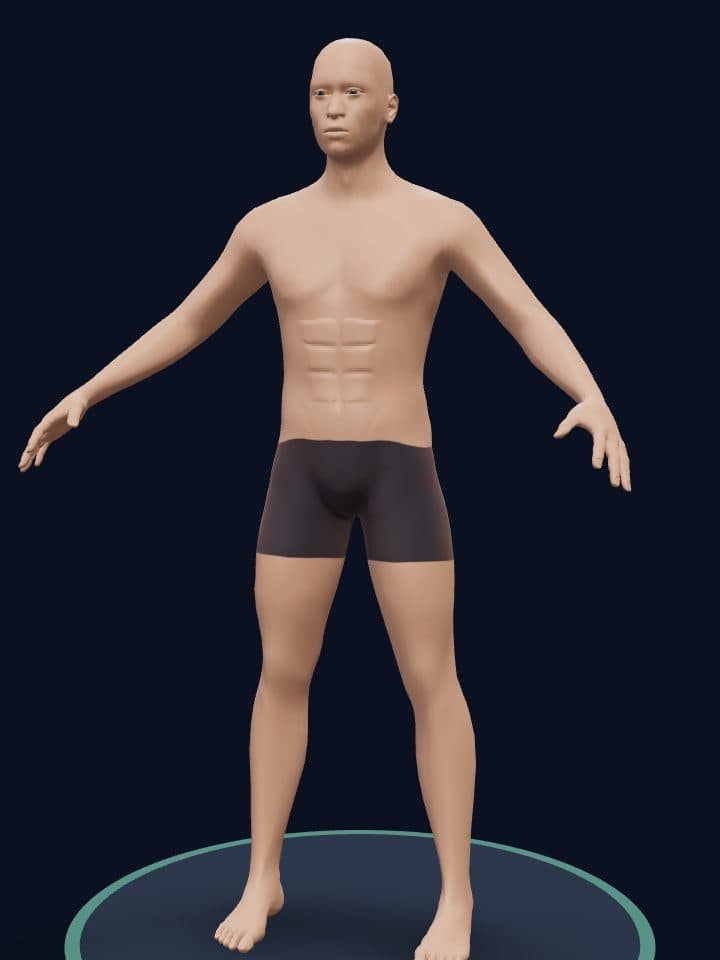
10% body fat72 kgAthleteClear six-pack 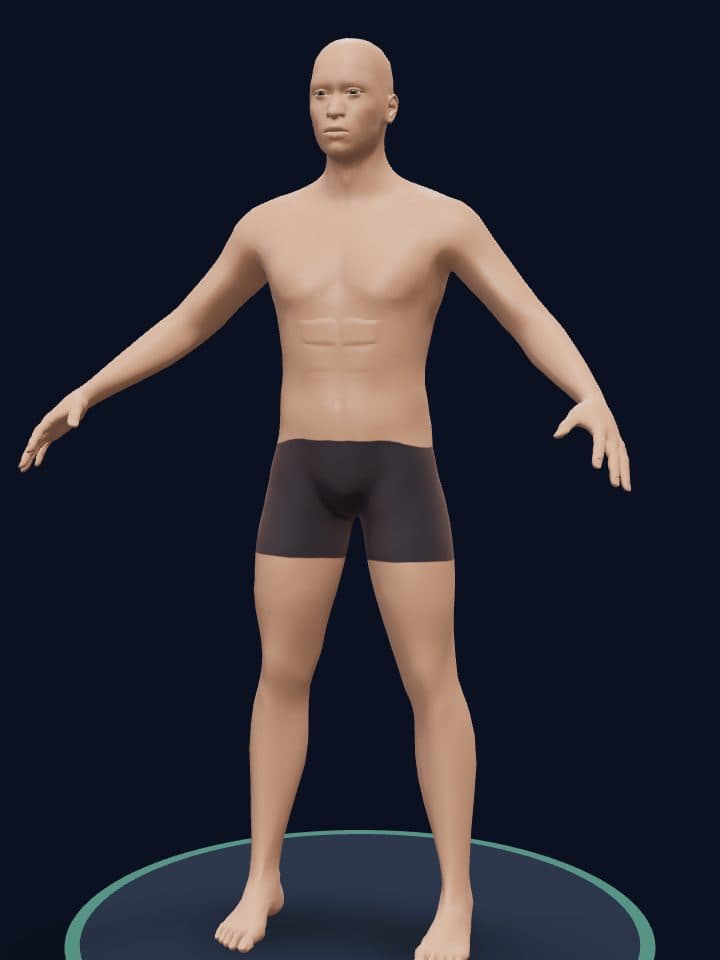
12% body fat74 kgAthleteUpper abs visible 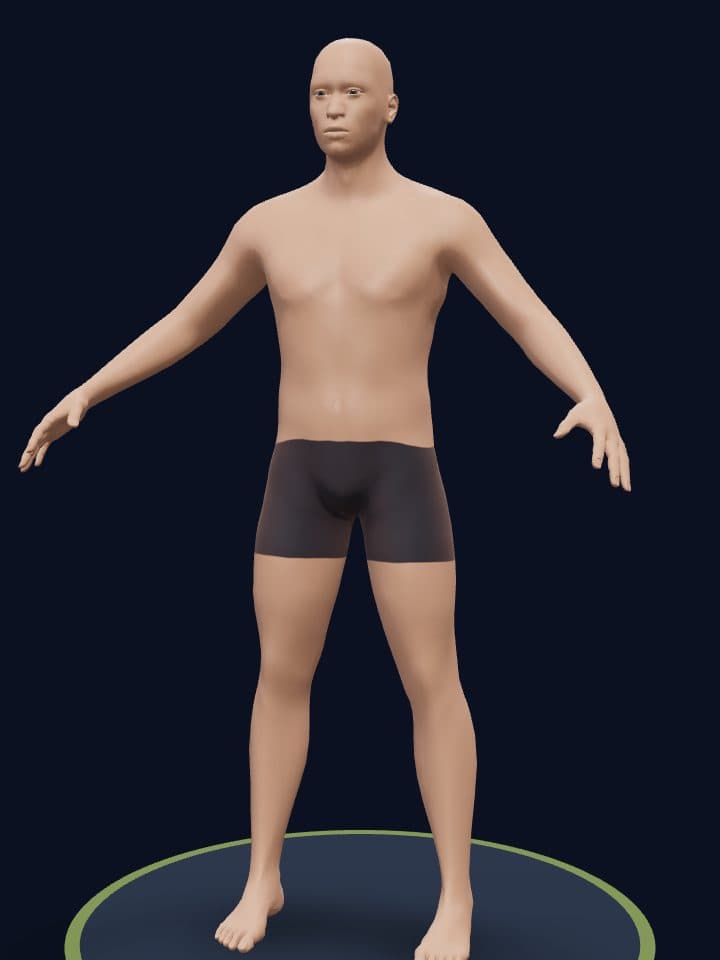
15% body fat76 kgFitnessFaint outline of the upper abs 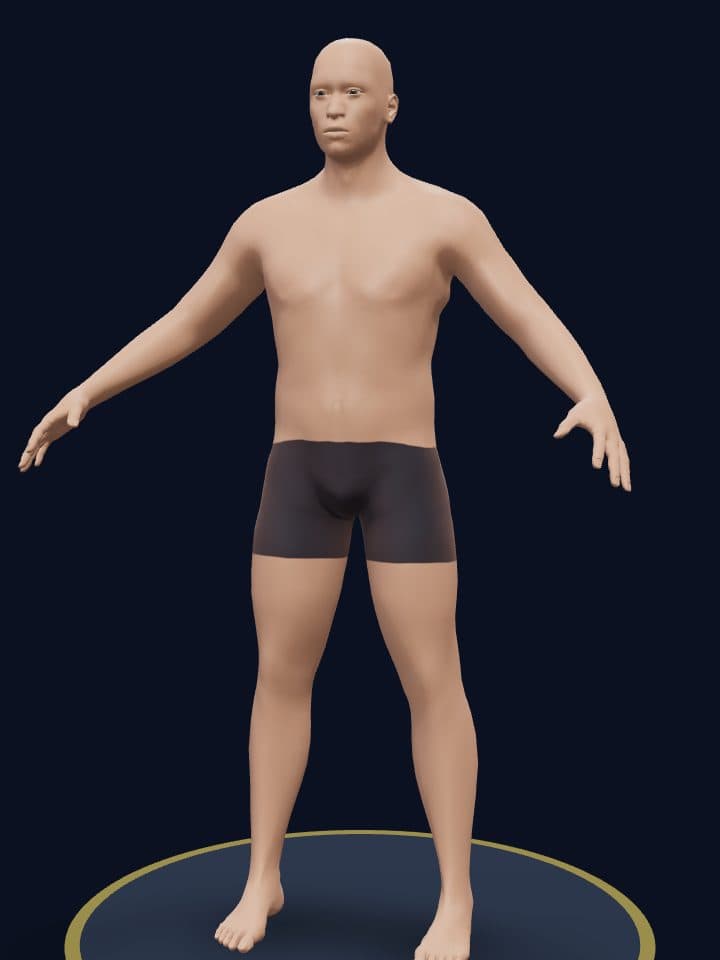
20% body fat81 kgAverageAbs not visible 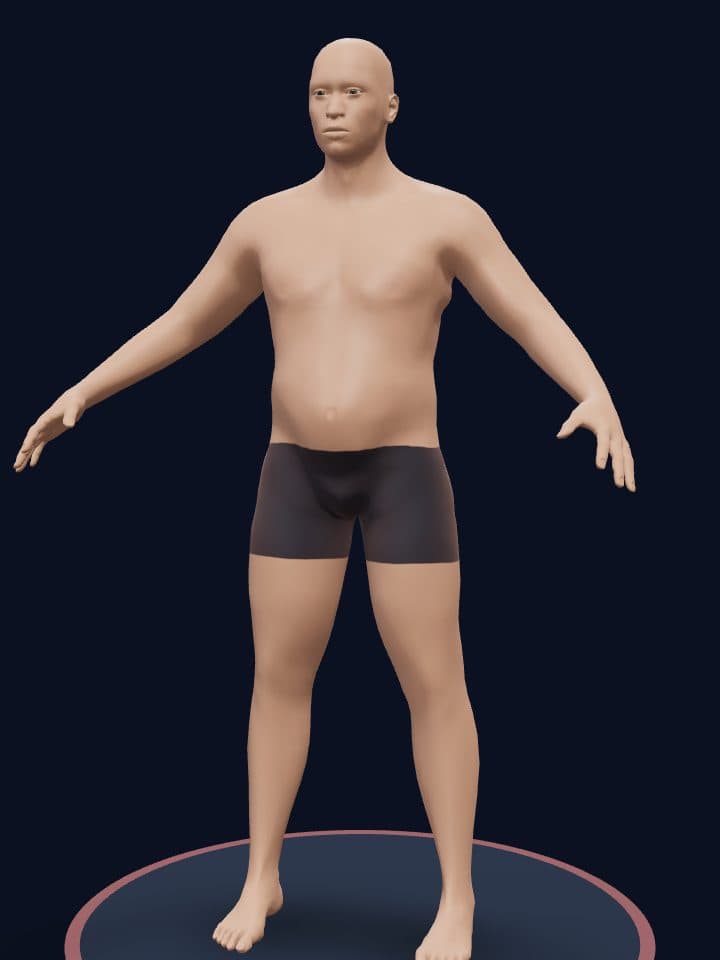
25% body fat87 kgObeseAbs not visible 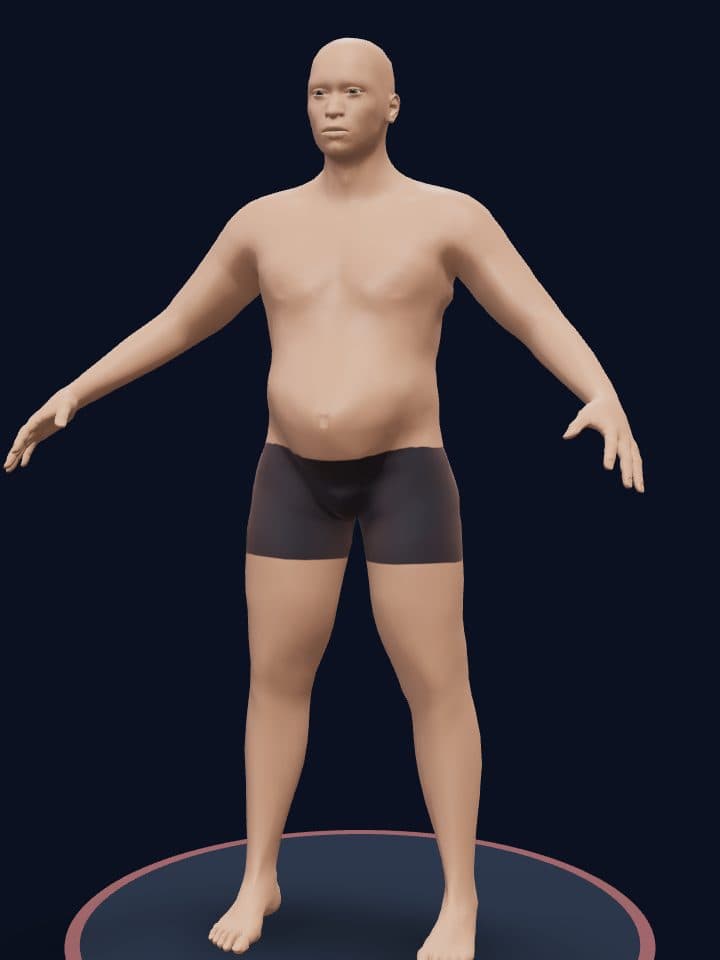
30% body fat93 kgObeseAbs not visible 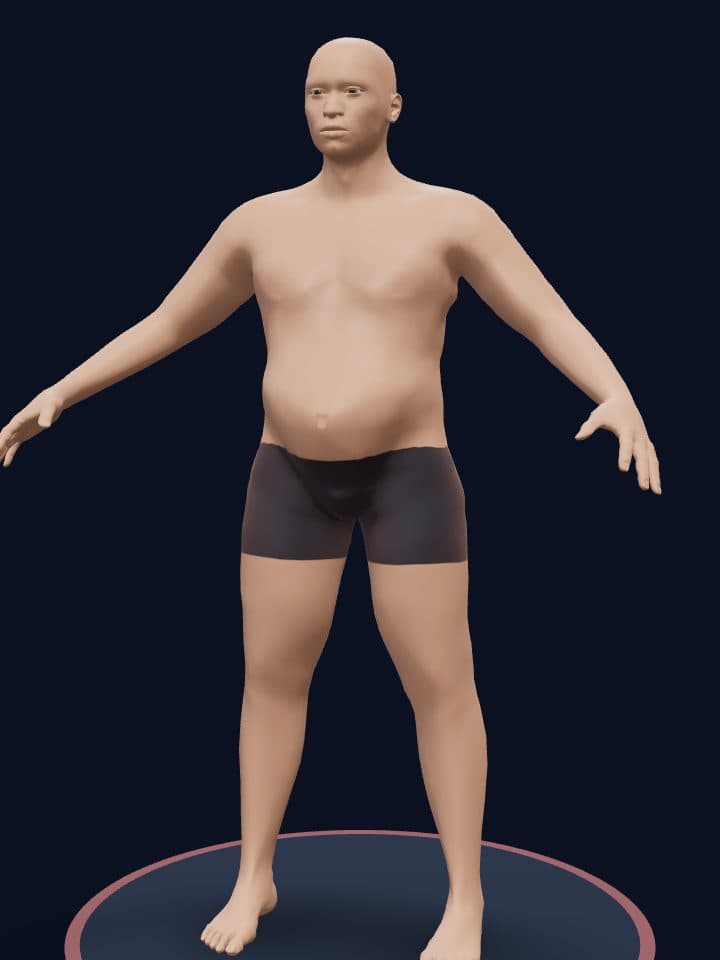
35% body fat100 kgObeseAbs not visible
Women
Same person throughout: 165 cm, 44 kg of lean mass, age 30.
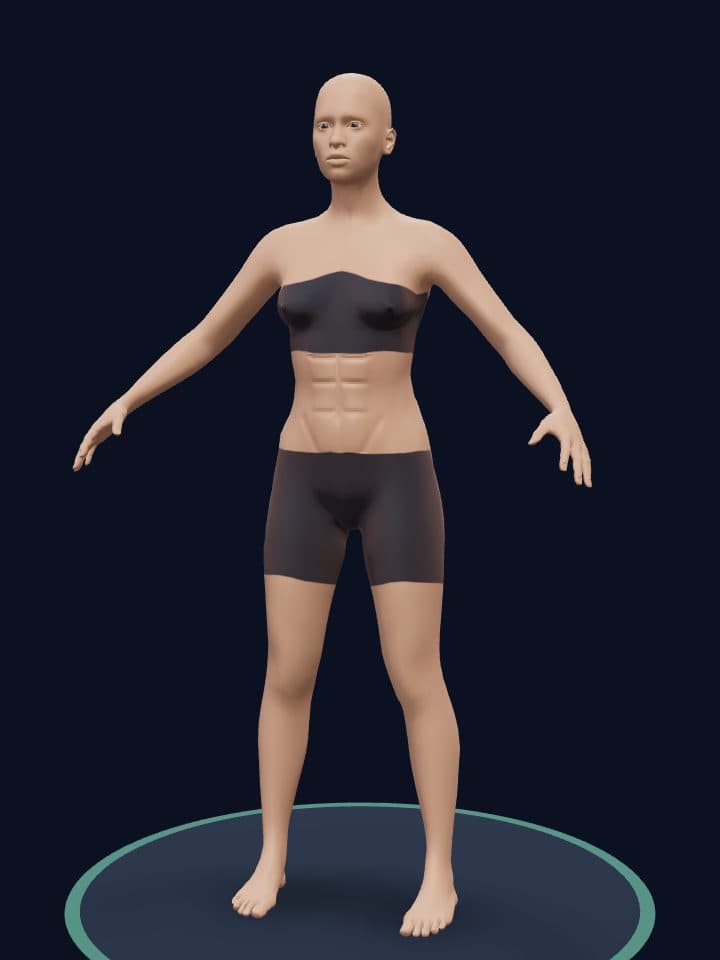
15% body fat52 kgAthleteSix-pack, lower abs and V lines 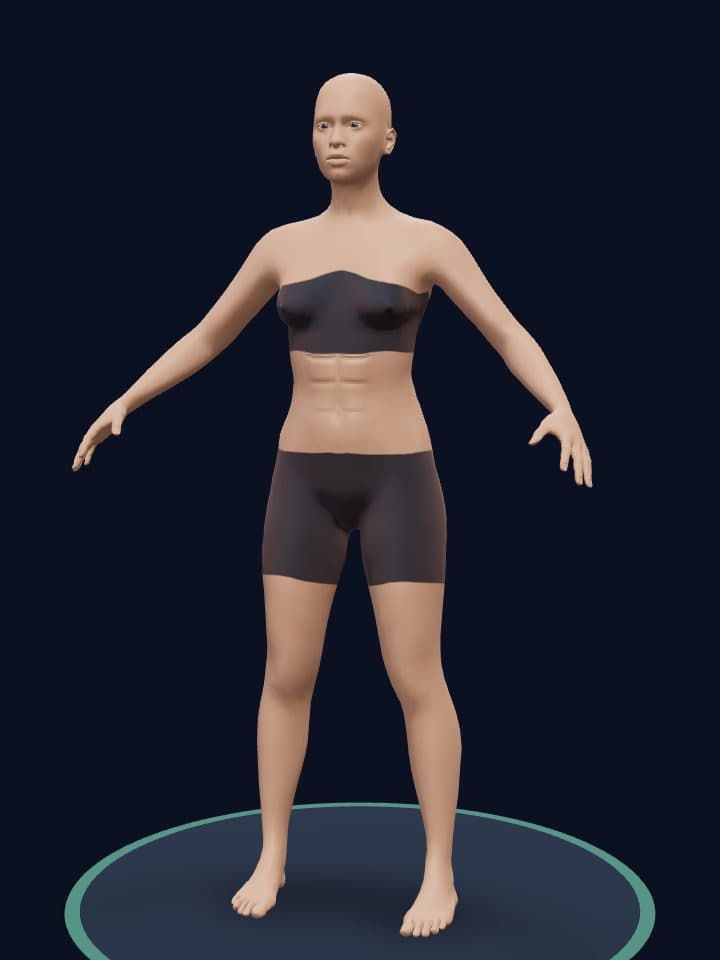
18% body fat54 kgAthleteClear six-pack 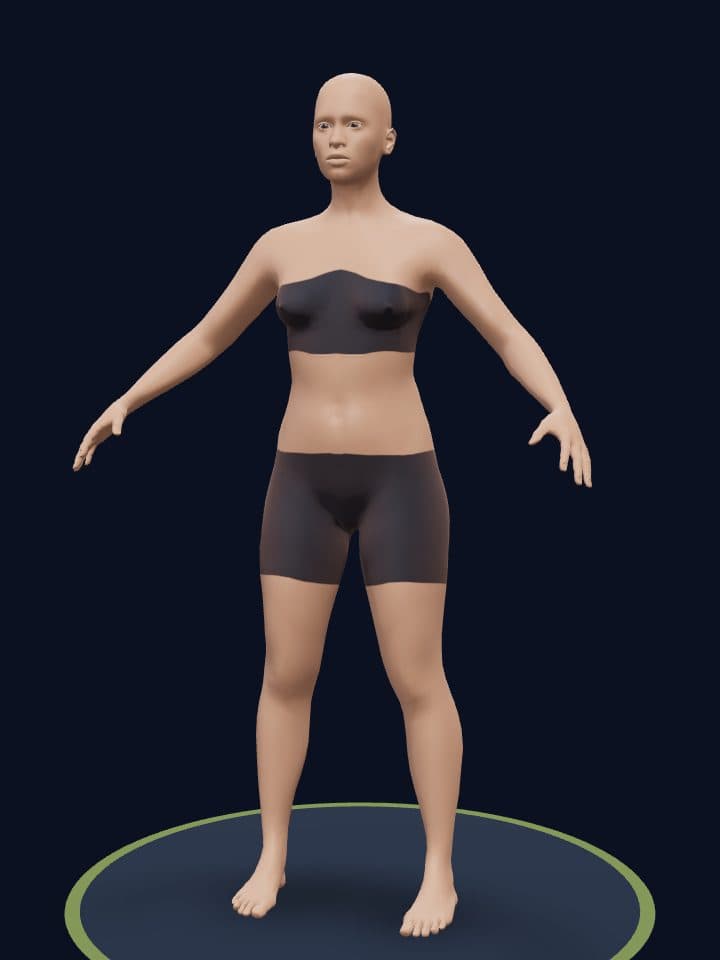
22% body fat56 kgFitnessFaint outline of the upper abs 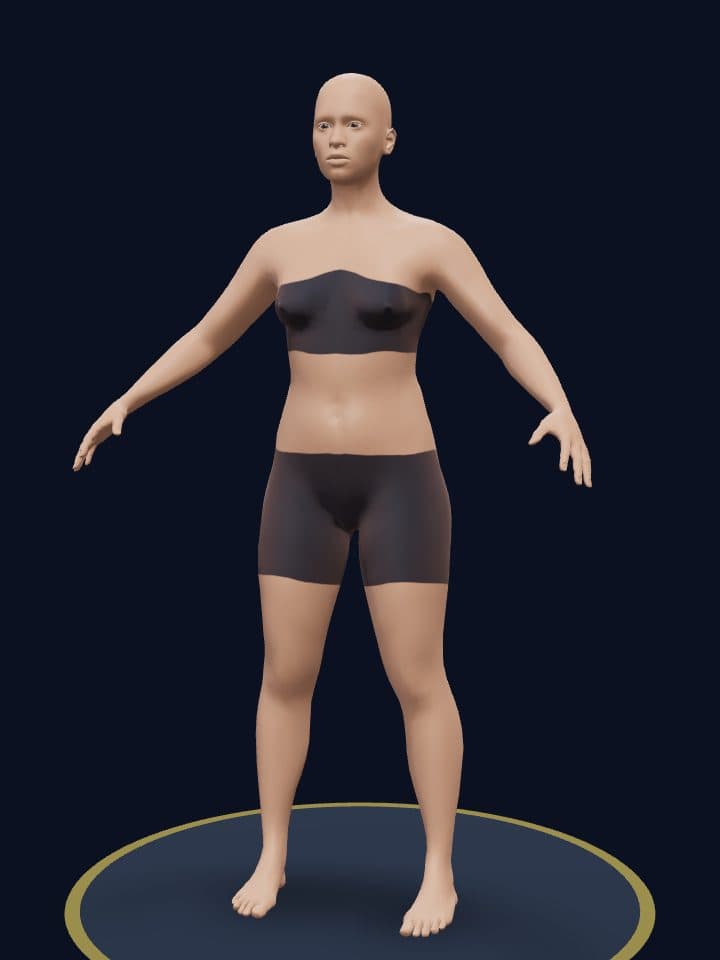
25% body fat59 kgAverageAbs not visible 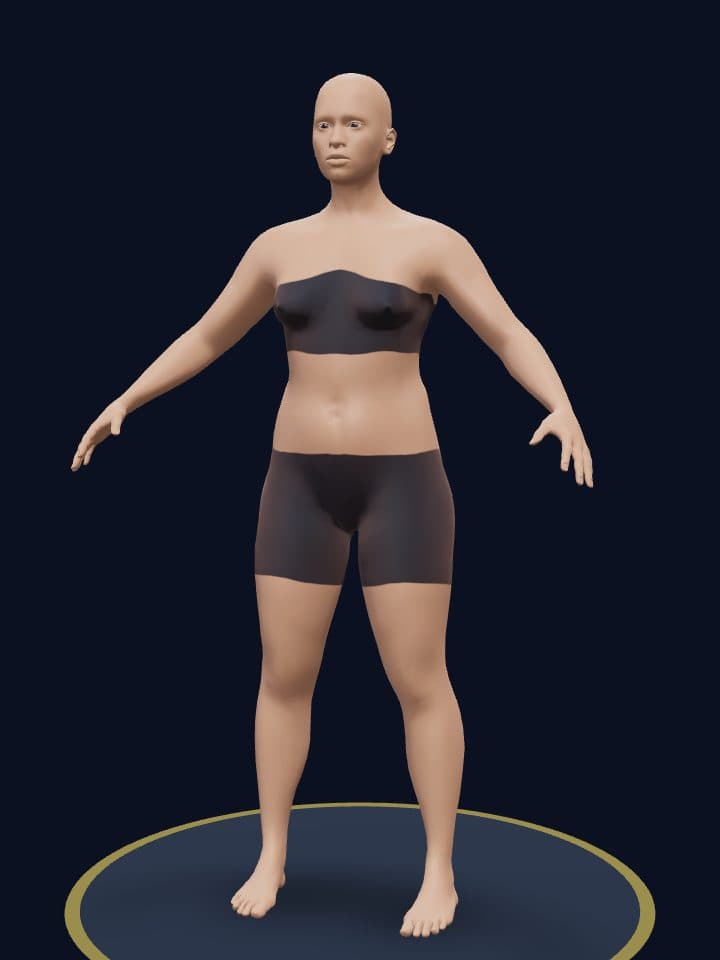
30% body fat63 kgAverageAbs not visible 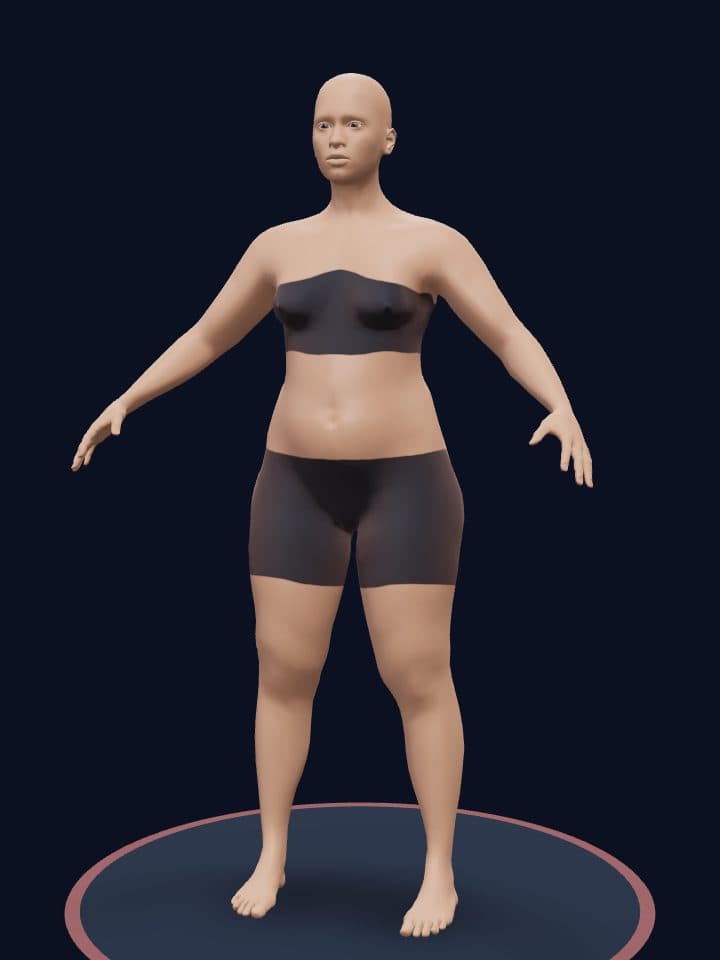
35% body fat68 kgObeseAbs not visible 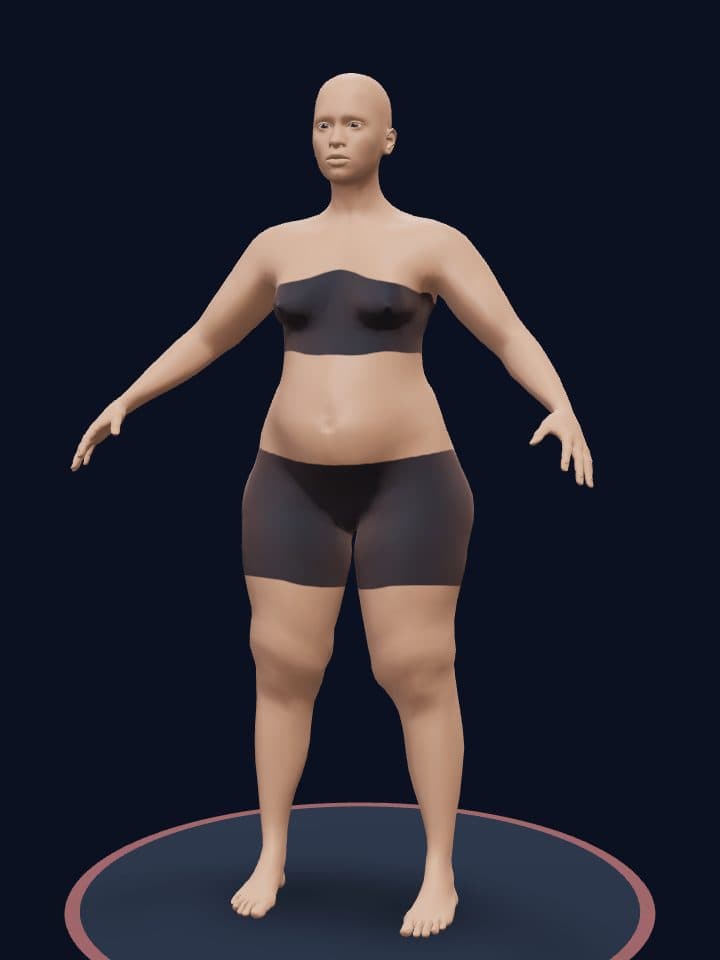
40% body fat73 kgObeseAbs not visible 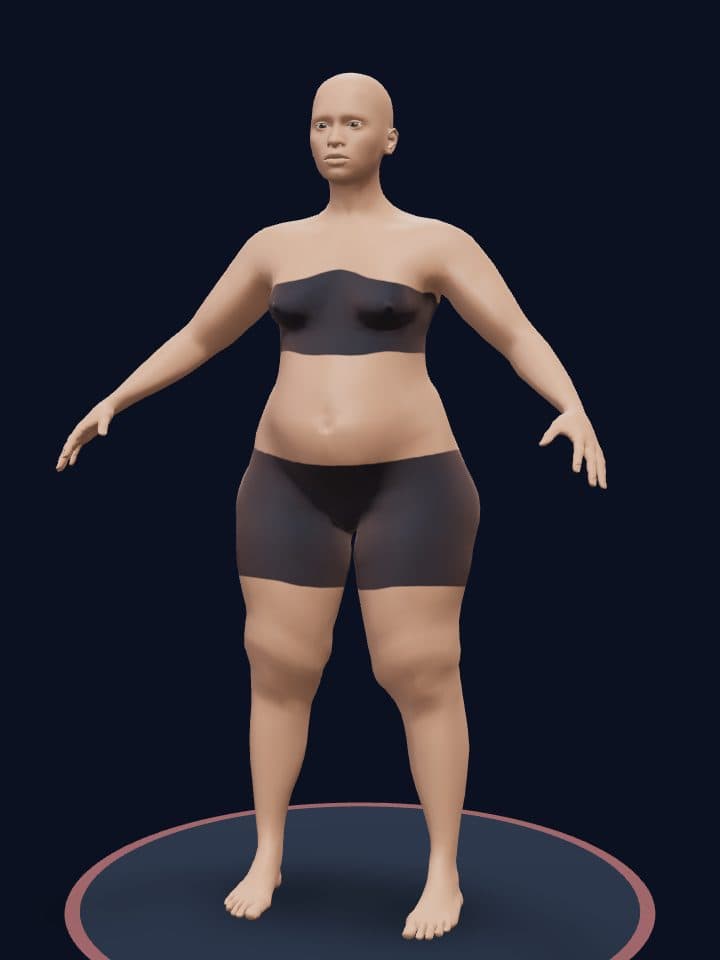
45% body fat80 kgObeseAbs not visible
What each range means
- Essential
- Close to the minimum needed for health. Very hard to maintain, and typical only of competitors on stage.
- Athlete
- Lean and athletic, with clearly visible muscle outlines, as in many athletes.
- Fitness
- Fit and healthy-looking, with some muscle definition.
- Average
- The most common range for adults. Muscle definition is mostly hidden.
- Obese
- Above the recommended range, with a higher risk of heart disease and type 2 diabetes.
Explore every percentage in 3D
Move the slider to see the body change continuously, and drag the model to rotate it.
15%
Fitness
Faint outline of the upper abs
How these pictures were made
The pictures are rendered from ShapeTwin's 3D body model. At each level the body's weight is its lean mass divided by (1 − body fat), and its volume matches that weight divided by body density (Siri equation). Ab definition follows common guidance: the upper abs appear first, and a six-pack shows at around 10% for men and 18% for women.
Why body fat pictures vary so much
Two people at the same body fat can look very different. More muscle makes the same fat percentage look leaner, and genetics decide where fat is stored: some people keep it on the belly, others on the hips and thighs.
Photos add their own distortions: lighting, a pump after training, tanning and posture can make someone look several percentage points leaner. And measurement methods themselves disagree by 3 to 5 points, so labels on photos online are often estimates.